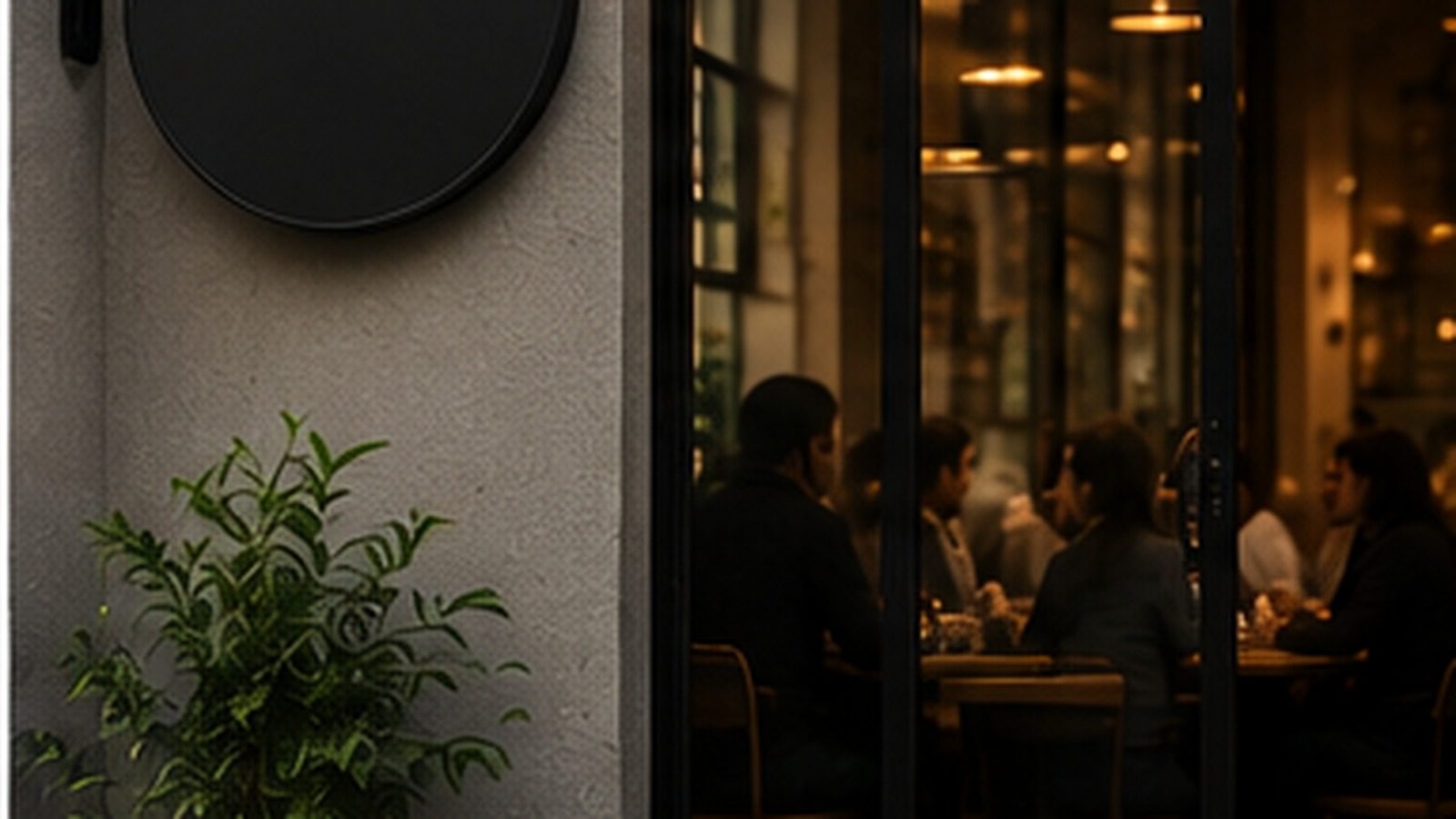
Your logo identifies your business. Your brand is what people expect from it. That expectation comes from how your company behaves: how fast you answer, how your staff treat customers, what you refuse to compromise, what you do when something breaks. A logo helps people recognize the company behind the experience. It cannot create the experience.
Most growing businesses open the brand conversation with the wrong question: what should our new logo look like? Ask a better one. What should people consistently feel when they deal with us? Until you can answer that, the logo has nothing to stand for.
A logo is a symbol. A brand is a pattern.
A good logo gives you a recognizable mark across signs, sites, packaging, and social. It matters. It just cannot carry the whole brand. Customers don't come back because they admire the geometry of your icon. They come back because you have built a pattern they trust: they know what to expect, they believe the product, they know how you will handle a problem. That pattern is the brand. The logo is shorthand for it. Take away the pattern and the mark is an empty container.
Your brand is the expectation you create
Every business teaches customers what to expect, on purpose or by accident. Answer within an hour and you teach them to count on you. Miss deadlines and you teach them to pad every timeline. Promise personal service, then route every question through a phone tree, and you teach them the promise has limits. Customers don't file these moments under marketing, operations, and culture. To them it is all the company.
So branding can't live inside the marketing department. Marketing describes the promise. Everyone else delivers it. Your brand isn't what you say. It's what you have organized the company to make true.
The brands you remember, you remember through behavior
Chick-fil-A has a fine logo, but customers describe the service first: the politeness, the crew working the drive-through line in the rain, "my pleasure." That phrase works because it sits inside a system of hiring, training, and local ownership. Drop it into a company without the culture and it turns into theater. The chicken identifies the restaurant. The behavior gives it meaning.
Patagonia's mountain means something because the company wrote "we exist to save our home planet" into its legal charter and, in 2022, moved ownership into a trust that steers profit toward environmental work. The Ritz-Carlton crest means something because the company trains staff to a written service standard and calls them "Ladies and Gentlemen." In each case the meaning travels from the company into the mark, never the reverse. A new logo can't manufacture years of decisions.
Mind the gap
Every business runs a gap between what it says and what customers get. A small gap builds trust. A wide one breeds cynicism. The site says "we make it easy," then hands you a twenty-eight-page proposal and three forms asking the same thing. The homepage sells warm, personal relationships, then nobody who knows your account picks up after the sale. The logo didn't cause the contradiction. Leadership did.
Culture is built through what you reward
A company's real values show up in its decisions: what gets funded, measured, praised, tolerated, promoted. You can paint "customer first" on the wall and still pay people for call volume alone. You can claim craftsmanship and schedule no time for care. The wall isn't the culture. The reward system is. Want to be known for responsiveness? Give people the authority to respond. Want to be known for care? Stop building every process around your own convenience. The brand customers see ends up matching the reality your employees live.
A rebrand can't fix a contradiction
A rebrand clarifies a position, unifies the story, signals a new chapter. It can't stand in for the change itself. Redesign the logo over bad service and customers still get bad service under a nicer sign. Decide what you intend to stand for, fix what makes that credible, then let the identity express it. Sequence matters more than shape.
Start somewhere other than the logo
Before you touch color and type, answer three questions. What should customers expect from us, specifically, not the "quality service" every company claims? Which behaviors create that expectation, and can our people actually deliver them? Which of our own habits get in the way? A value earns its keep when an employee can act on it at 3:47 on a hard Thursday.
Then the logo has a job: introduce the expectation, make you recognizable, and reflect the business closely enough that the experience feels like a continuation instead of a correction.
Build something the logo can stand for
Saying your brand isn't your logo doesn't make the logo irrelevant. It is the most concentrated expression of your identity. It just doesn't work alone. A logo opens the door. The brand is what happens after someone walks through it. Build that part first, and give the mark something worth standing for.